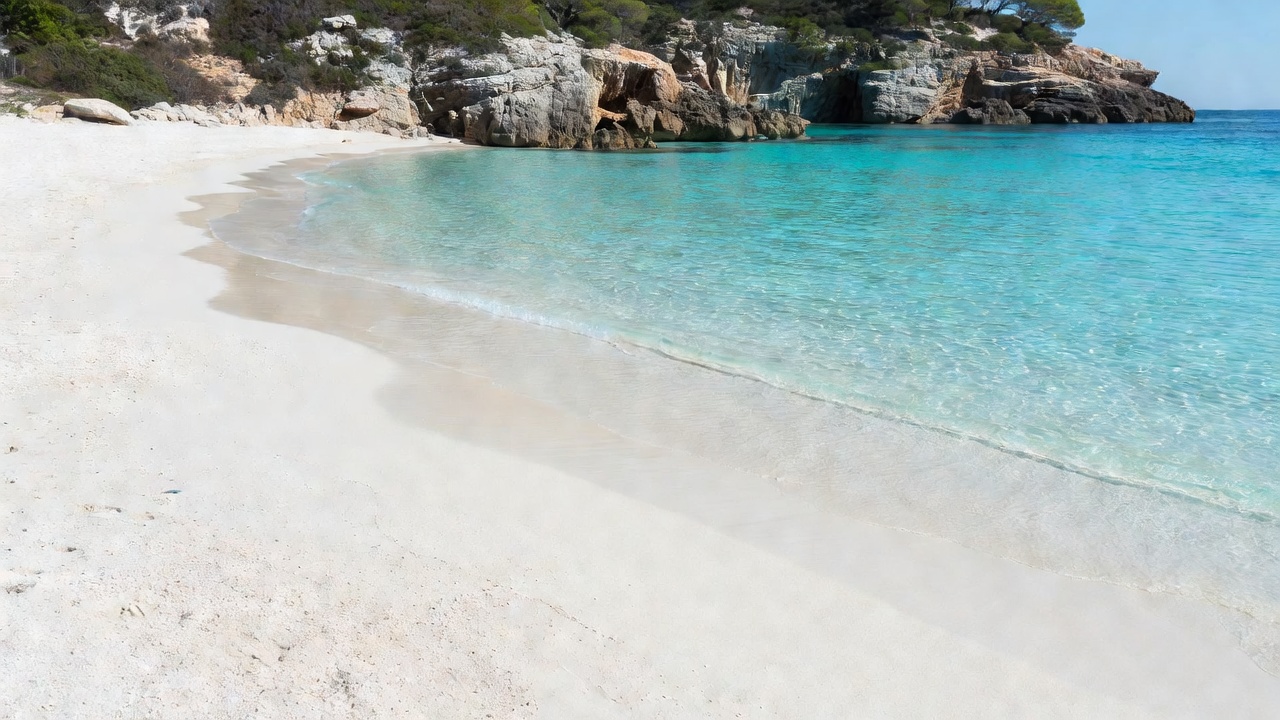
Official Characterization: In Spain’s official tourism portal, Cala Macarella is consistently recognized as a white-sand beach protected by cliffs, with calm waters and a relatively isolated setting. These pristine natural elements make it an international reference for sustainable coastal beauty.
Physical Geography and Dimensions
Cala Macarella sits comfortably nestled at the mouth of a deeply incised karstic ravine on the south-western edge of Menorca. The primary beach strip extends approximately 105 metres in width along the shoreline, tapering gently back into the pine-covered gully for a depth of roughly 40 to 60 metres depending on seasonal sand shifting and winter swell patterns.
Unlike open, windswept oceanic coastlines, Macarella’s orientation faces south-southwest. It is flanked by two formidable lateral spurs of Miocene limestone that extend outward like arms into the sea for several hundred metres. This natural horseshoe geometry dampens the velocity of prevailing northern Tramuntana gales and limits wave exposure, ensuring that the surf zone remains tranquil throughout the majority of spring, summer, and autumn months.
Sand Characteristics and Grain Composition
The tactile quality of the sand at Cala Macarella is widely regarded as one of its defining sensory experiences. Rather than consisting of silica derived from weathered granite or quartz rivers, the substrate is almost entirely biogenic and carbonate in origin. It consists of finely pulverized fragments of prehistoric marine mollusks, calcareous algae, and weathered soft limestone cliffs.
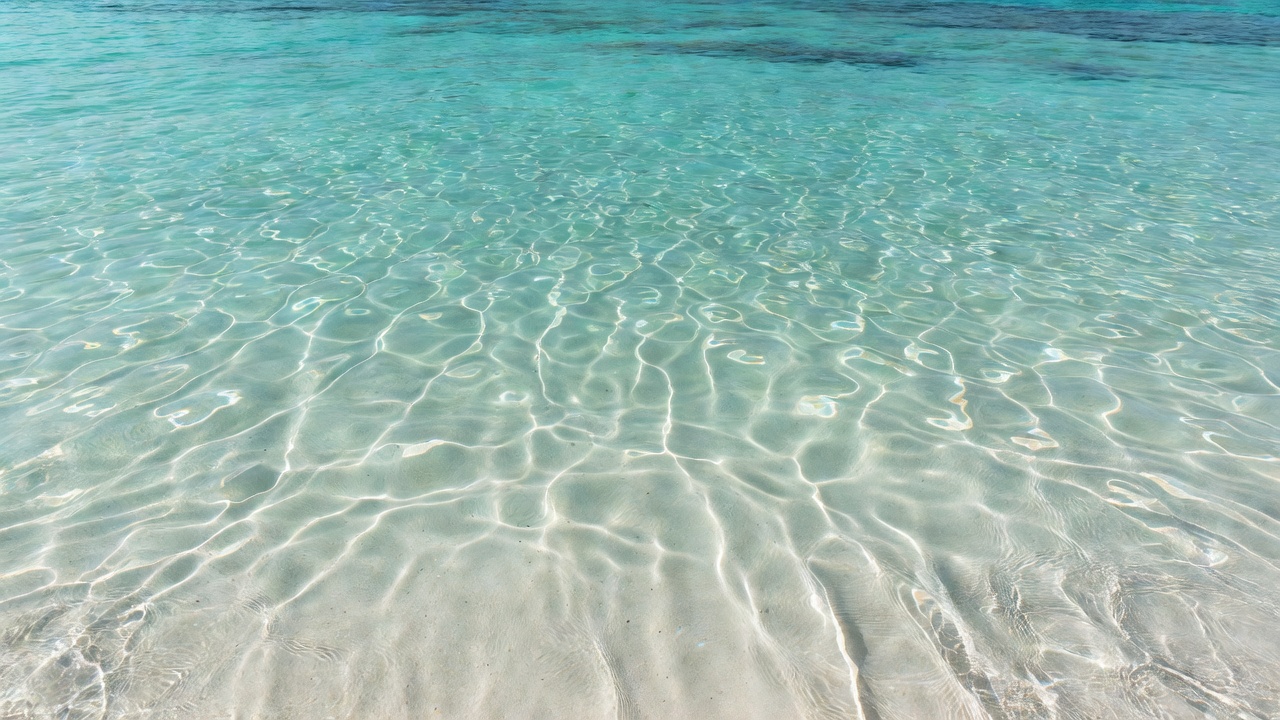
This origin yields sand grains that are exceptionally fine, rounded, and brilliant pale beige to luminous white in hue. The high reflectivity of the carbonate sand under direct Mediterranean sunlight is what gives the shallow water its unmistakable glowing turquoise tint: as sunlight penetrates the crystal-clear water column, it bounces off the white seabed without absorbing warmer wavelengths until reaching greater depths.
| Measurement Metric | Cala Macarella | Cala Macarelleta | Cala Galdana |
|---|---|---|---|
| Shoreline Length | 105 metres | 45 metres | 400 metres |
| Depth of Sand Strip | 40–60 metres | 20–30 metres | 45 metres |
| Sediment Type | Fine Biogenic Carbonate | Fine White Carbonate | Fine Golden/White Sand |
| Lateral Protection | Enclosed 30m Cliffs | Steep Rocky Fissure | Wide Sheltered Bay |
| Setting Ambience | Relatively Isolated Nature | Pristine Natural Enclave | Developed Resort Urbanization |
Seasonal Sediment Dynamics and Posidonia
A crucial ecological element in maintaining Macarella's dimensions is the presence of Posidonia oceanica meadows thriving just beyond the sandy shallows. During autumn and winter storms, detached leaves of this endemic Mediterranean seagrass wash ashore in dense fibrous layers, known locally as arribazones.
While casual visitors occasionally mistake these dark ribbons for detritus, environmental authorities deliberately leave these accumulations undisturbed through the cooler months. The fibrous banks act as natural shock absorbers against wave energy, preventing high winter tides from scouring away the delicate fine sand deposits. By late spring, gentle tidal action naturally redistributes the sand, maintaining the expansive crescent ready for the warmer season.
Pros and Cons of the Cove's Natural Topography
Advantages
Exceptional natural shelter from northerly winds; safe, shallow, gradient-free entry ideal for wading; unmatched water clarity over white seabed; complete absence of modern high-rise architecture along the perimeter.
Considerations
Limited dry sand area during peak July and August afternoons; natural shading sets in earlier on the eastern cliff base in late afternoon; requires a scenic trek through the pine woods from designated transit points.
The Backshore and Ecological Transition
Directly behind the sun-drenched sand lies a transition zone characterized by stabilized sand hummocks where native sea daffodil (Pancratium maritimum) and sea holly bloom during early summer. Beyond these delicate pioneer plants, the terrain transitions into a cool, fragrant forest of Aleppo pines (Pinus halepensis) and dense garrigue understory consisting of mastic shrubs and rosemary.
This gentle vegetative backdrop provides welcome natural shade for walkers arriving from inland pathways and buffers the beach from inland heat. It completes the classic Mediterranean tableau: white carbonate sand, turquoise water, warm ochre limestone, and deep evergreen foliage.